Skip to content
SSDFly
  • Home
  • Flight
  • Tavel Guide
  • Others
SSDFly
  • What Compensation Are You Entitled to for Flight Delays or Cancellations - and How Do You Claim It?
    Flight

    What Compensation Are You Entitled to for Flight Delays or Cancellations – and How Do You Claim It?

    BySSD Fly January 11, 2026

    You may be entitled to compensation such as cash payments, refunds, rebooking, meals, hotel accommodation, or…

    Read More What Compensation Are You Entitled to for Flight Delays or Cancellations – and How Do You Claim It?Continue

  • Is It Cheaper to Book One-Way Tickets or a Round-Trip Ticket? The Complete Truth Explained
    Flight

    Is It Cheaper to Book One-Way Tickets or a Round-Trip Ticket? The Complete Truth Explained

    BySSD Fly January 11, 2026

    There is no single rule—sometimes one-way tickets are cheaper, and sometimes round-trip tickets offer better value….

    Read More Is It Cheaper to Book One-Way Tickets or a Round-Trip Ticket? The Complete Truth ExplainedContinue

  • Best way to plan a long layover so you can leave the airport safely is to confirm you have enough time (usually 6–8+ hours), check visa and entry rules in advance, understand your luggage situation, plan a strict return timeline, and choose low-risk activities close to the airport or city center. A long layover can feel like wasted time or a hidden opportunity. Many travelers want to leave the airport, explore the city, eat real food, or simply rest in a hotel. Yet fear holds them back: missing the flight, visa problems, luggage issues, or getting stuck in traffic. These concerns are valid, but they’re manageable with the right planning. Leaving the airport during a long layover is not about spontaneity; it’s about calculated decisions. Airlines won’t stop you from leaving, but they also won’t protect you if you misjudge time or rules. That means the responsibility is entirely yours. Understanding immigration rules, airport geography, transportation reliability, and re-entry security time is essential. The biggest mistake travelers make is treating a long layover like a short trip. A layover is not a vacation; it’s a time-boxed window with zero flexibility on return. That’s why safe planning matters more than ambition. Smart travelers plan backward from boarding time, not forward from landing. In this guide, you’ll learn: How long must a layover be before leaving the airport When international layovers are safe to exit What to do about luggage How to build a safe exit-and-return timeline Which activities are worth the risk, and which aren’t If done correctly, a long layover can become a stress-free mini adventure instead of hours of waiting. First Decision: Should You Leave the Airport at All? How Long a Layover Is Truly Safe to Exit Not every long layover is actually “safe” to leave the airport. For domestic flights, a layover of at least 4–5 hours is the bare minimum, while international layovers usually require 6–8 hours or more. This buffer accounts for immigration, transportation, and re-security. Anything shorter leaves no margin for delays. Early morning or late-night layovers are safer due to lighter traffic. Peak travel hours increase risk. Always plan conservatively; extra time is safety. Domestic vs International Layovers: Key Differences Domestic layovers are simpler because there’s no immigration re-entry. International layovers require exiting and re-entering border control, which adds time and unpredictability. Some countries require visas even for short exits. Security re-screening standards vary by airport. International terminals may be farther apart. This complexity means international layovers demand stricter planning. Domestic exits are easier, but still require discipline. Situations Where You Should Not Leave the Airport You should stay inside the airport if your layover is under 5 hours internationally. Tight onward connections increase risk. If the airport is far from the city, exits become impractical. Poor weather raises the delay probability. If your passport or visa status is unclear, don’t risk it. When in doubt, stay airside. Missing a flight costs far more than missing a city visit. Visa, Passport, and Entry Rules You Must Verify Transit Visa vs Entry Visa Explained A transit visa allows you to pass through an airport, not enter the country. Leaving the airport almost always requires an entry visa. Many travelers assume transit rules apply outside the terminal they don’t. Visa-free transit does not equal visa-free entry. Some nationalities need visas even for a few hours. Rules vary widely. Always check official embassy sources before planning an exit. Passport Validity and Entry Requirements Many countries require passports to be valid for at least six months beyond entry. Some require blank pages for entry stamps. Health declarations or arrival cards may still apply. Biometric entry systems can speed things up or slow them down if there’s an issue. Never assume your passport is “good enough.” Entry denial ruins layover plans instantly. Countries That Are Easy vs Difficult for Layover Exit Visa-friendly countries like Singapore, Japan, South Korea, the UK, and much of the EU are easier for layover exits. Countries with strict visa rules or slow immigration processing are harder. Hub cities with tourism programs are more accommodating. Always research country-specific rules. Friendly hubs make safe layovers far easier. Luggage Planning Before You Leave the Airport Leaving the Airport With Checked Luggage If your bags are checked through to your final destination, you usually cannot access them during a layover. This is ideal for exiting the airport. Confirm this at check-in. Some itineraries require re-checking bags, especially on international entries. If bags must be collected, time requirements increase significantly. Never assume, always ask the airline. Carry-On Only Layovers Carry-on travelers have more flexibility. However, carrying luggage around the city can be tiring. Many airports offer luggage storage or lockers. Prices and availability vary. Always factor storage time into your plan. Re-screening with carry-on is mandatory on return. Light packing makes layover exits smoother. Airport Luggage Storage and Security Large international airports often have secure baggage storage. These services are useful for long layovers. Verify operating hours before leaving. Storage locations may be landside or in transit areas. Security screening still applies when re-entering. Storage adds convenience but also time. Plan accordingly. Airport Location and Transportation Reality City-Center Airports vs Remote Airports Airport location plays a major role in whether leaving the airport during a long layover is realistic or risky. Some airports, like London City or Singapore Changi, are located close to the city center, making short exits very feasible. Others, such as Paris Charles de Gaulle or Bangkok Suvarnabhumi, can be 1-2 hours away from downtown. Online maps often underestimate real travel time because they don’t factor in traffic, weather, or peak hours. City-center airports allow short, low-risk exits, while remote airports demand much longer layovers. Always research real-world travel time, not ideal conditions. Distance determines safety more than curiosity. Best Transportation Options for Layover Exits Choosing the right transportation is critical when leaving the airport on a long layover. Airport express trains are usually the safest and fastest option because they run on fixed schedules and avoid traffic. Metro or subway systems are reliable but may require transfers that increase risk. Taxis can be convenient but are highly dependent on traffic conditions. Ride-share reliability varies by country and time of day. Avoid unfamiliar local buses or informal transport if time is tight. When planning a layover exit, reliability always matters more than saving money. Transportation Safety Tips Transportation mistakes are the most common reason travelers miss flights during layovers. Always use official airport transport options or licensed taxis. Avoid unmarked or unofficial taxis, even if they seem cheaper. Save your destination and return route offline in case mobile data fails. Know exactly how you will get back to the airport before you leave. Keep checking the time throughout your trip. Safe transportation planning turns a long layover into a controlled experience, not a gamble. Time Management: Your Most Important Skill Building a Safe Exit-and-Return Timeline Time management is the single most important factor in safely leaving the airport during a long layover. Always plan backward from your boarding time, not from arrival. First, subtract the time needed for security re-entry and immigration. Then add buffer time for transportation delays. Decide on a strict “must return to airport” time and treat it as non-negotiable. Set phone alarms or reminders to stay disciplined. Never push plans beyond this cutoff; discipline keeps you safe. Accounting for Security and Immigration Delays Security and immigration delays are unpredictable and vary widely by airport and time of day. Immigration queues can suddenly spike due to multiple flight arrivals or staffing shortages. Security wait times may double during peak hours or random checks. Never assume a smooth or fast process, even if the airport looks quiet earlier. For international layovers, add at least 60–90 minutes purely for re-entry procedures. Conservative planning reduces stress and prevents panic at the gate. When to Turn Back Early Knowing when to turn back early is a key skill for safe layover travel. If traffic suddenly increases, don’t wait, head back immediately. If security lines look long, abandon sightseeing plans without hesitation. Missing a flight costs far more than missing one attraction or meal. The goal of leaving the airport is not to maximize sightseeing, but to return calmly and on time. Turning back early is a smart decision, not a failure. Safety always beats ambition. Choosing the Right Activity During a Long Layover Low-Risk Layover Activities Low-risk activities are the smartest choice during a long layover. Airport-adjacent neighborhoods are ideal because they minimize travel time. Short city walks, cafés, food markets, and quick meals work best. Museums or attractions located near major transport hubs are safer options. Avoid overpacking your schedule with multiple stops. Simpler plans reduce pressure and risk. The less distance you travel, the safer your layover exit will be. What to Avoid on Tight Layovers Certain activities are too risky for tight layovers and should be avoided. Long guided tours often run late and cannot be exited early. Distant attractions increase dependence on traffic and transport reliability. Activities with fixed end times create unnecessary stress. Avoid rush-hour sightseeing whenever possible. Skip anything you cannot leave immediately if needed. Flexibility is the foundation of a safe layover experience. Airport-Sponsored Layover Tours Some airports and airlines offer official layover or transit city tours designed specifically for long layovers. These tours manage transportation, timing, and return schedules for you. They are built to ensure passengers return to the airport safely and on time. Availability depends on airport, airline, and layover length. These programs are among the safest ways to leave the airport briefly. Always check eligibility and time requirements in advance. Staying Safe While Outside the Airport Personal Safety in a Short City Visit Personal safety matters even more during short layover visits. Research safe neighborhoods before you arrive. Stick to well-known, tourist-friendly areas. Avoid displaying expensive items or drawing attention to yourself. Dress in a way that blends in with locals. Stay alert and aware of your surroundings at all times. Short visits require heightened awareness because you have no recovery time for problems. Staying Connected and Informed Staying connected is essential when leaving the airport during a long layover. Ensure you have mobile data through roaming, a local SIM, or eSIM. Download offline maps and transport apps in advance. Keep the airline’s app installed and monitor your flight status regularly. Save emergency contacts and airport information offline. Being informed allows you to react quickly if plans change. What to Do if Plans Change Suddenly Layover plans must remain flexible at all times. If your flight time changes or delays are announced, return to the airport immediately. If traffic worsens unexpectedly, reassess and head back early. Sightseeing should never override catching your flight. Always prioritize being back airside with time to spare. The airport is your safety net; use it when uncertainty appears. LSI Keywords (Use Naturally) long layover planning leave the airport during the layover safe long layover international layover exit layover visa rules long layover city visit airport exit safety Frequently Asked Questions (FAQs) 1. How long should a layover be to leave the airport safely? At least 6–8 hours internationally. 4-5 hours domestically. More time is always safer. 2. Can I leave the airport during an international layover? Yes, if entry rules allow. You must clear immigration. Visa rules apply. 3. What happens to my luggage if I leave? Checked bags stay with the airline. Carry-ons go with you. Confirm at check-in. 4. Do I always need a visa to leave the airport? Not always. Depends on nationality and country. Check official sources. 5. What’s the biggest risk of leaving the airport? Missing the return flight. Traffic and security delays. Poor time management. Leaving the airport during a long layover can transform dead time into a memorable experience, but only with careful planning. Time buffers, visa checks, transportation choices, and conservative decision-making are the foundation of safety. The goal is not to see everything, but to return calmly and on time. When planned correctly, a long layover becomes a bonus, not a risk. Before your next long layover, plan smart, respect time limits, and turn waiting hours into a safe, stress-free mini adventure.
    Tavel Guide

    Best way to plan a long layover so you can leave the airport safely is to confirm you have enough time (usually 6–8+ hours), check visa and entry rules in advance, understand your luggage situation, plan a strict return timeline, and choose low-risk activities close to the airport or city center. A long layover can feel like wasted time or a hidden opportunity. Many travelers want to leave the airport, explore the city, eat real food, or simply rest in a hotel. Yet fear holds them back: missing the flight, visa problems, luggage issues, or getting stuck in traffic. These concerns are valid, but they’re manageable with the right planning. Leaving the airport during a long layover is not about spontaneity; it’s about calculated decisions. Airlines won’t stop you from leaving, but they also won’t protect you if you misjudge time or rules. That means the responsibility is entirely yours. Understanding immigration rules, airport geography, transportation reliability, and re-entry security time is essential. The biggest mistake travelers make is treating a long layover like a short trip. A layover is not a vacation; it’s a time-boxed window with zero flexibility on return. That’s why safe planning matters more than ambition. Smart travelers plan backward from boarding time, not forward from landing. In this guide, you’ll learn: How long must a layover be before leaving the airport When international layovers are safe to exit What to do about luggage How to build a safe exit-and-return timeline Which activities are worth the risk, and which aren’t If done correctly, a long layover can become a stress-free mini adventure instead of hours of waiting. First Decision: Should You Leave the Airport at All? How Long a Layover Is Truly Safe to Exit Not every long layover is actually “safe” to leave the airport. For domestic flights, a layover of at least 4–5 hours is the bare minimum, while international layovers usually require 6–8 hours or more. This buffer accounts for immigration, transportation, and re-security. Anything shorter leaves no margin for delays. Early morning or late-night layovers are safer due to lighter traffic. Peak travel hours increase risk. Always plan conservatively; extra time is safety. Domestic vs International Layovers: Key Differences Domestic layovers are simpler because there’s no immigration re-entry. International layovers require exiting and re-entering border control, which adds time and unpredictability. Some countries require visas even for short exits. Security re-screening standards vary by airport. International terminals may be farther apart. This complexity means international layovers demand stricter planning. Domestic exits are easier, but still require discipline. Situations Where You Should Not Leave the Airport You should stay inside the airport if your layover is under 5 hours internationally. Tight onward connections increase risk. If the airport is far from the city, exits become impractical. Poor weather raises the delay probability. If your passport or visa status is unclear, don’t risk it. When in doubt, stay airside. Missing a flight costs far more than missing a city visit. Visa, Passport, and Entry Rules You Must Verify Transit Visa vs Entry Visa Explained A transit visa allows you to pass through an airport, not enter the country. Leaving the airport almost always requires an entry visa. Many travelers assume transit rules apply outside the terminal they don’t. Visa-free transit does not equal visa-free entry. Some nationalities need visas even for a few hours. Rules vary widely. Always check official embassy sources before planning an exit. Passport Validity and Entry Requirements Many countries require passports to be valid for at least six months beyond entry. Some require blank pages for entry stamps. Health declarations or arrival cards may still apply. Biometric entry systems can speed things up or slow them down if there’s an issue. Never assume your passport is “good enough.” Entry denial ruins layover plans instantly. Countries That Are Easy vs Difficult for Layover Exit Visa-friendly countries like Singapore, Japan, South Korea, the UK, and much of the EU are easier for layover exits. Countries with strict visa rules or slow immigration processing are harder. Hub cities with tourism programs are more accommodating. Always research country-specific rules. Friendly hubs make safe layovers far easier. Luggage Planning Before You Leave the Airport Leaving the Airport With Checked Luggage If your bags are checked through to your final destination, you usually cannot access them during a layover. This is ideal for exiting the airport. Confirm this at check-in. Some itineraries require re-checking bags, especially on international entries. If bags must be collected, time requirements increase significantly. Never assume, always ask the airline. Carry-On Only Layovers Carry-on travelers have more flexibility. However, carrying luggage around the city can be tiring. Many airports offer luggage storage or lockers. Prices and availability vary. Always factor storage time into your plan. Re-screening with carry-on is mandatory on return. Light packing makes layover exits smoother. Airport Luggage Storage and Security Large international airports often have secure baggage storage. These services are useful for long layovers. Verify operating hours before leaving. Storage locations may be landside or in transit areas. Security screening still applies when re-entering. Storage adds convenience but also time. Plan accordingly. Airport Location and Transportation Reality City-Center Airports vs Remote Airports Airport location plays a major role in whether leaving the airport during a long layover is realistic or risky. Some airports, like London City or Singapore Changi, are located close to the city center, making short exits very feasible. Others, such as Paris Charles de Gaulle or Bangkok Suvarnabhumi, can be 1-2 hours away from downtown. Online maps often underestimate real travel time because they don’t factor in traffic, weather, or peak hours. City-center airports allow short, low-risk exits, while remote airports demand much longer layovers. Always research real-world travel time, not ideal conditions. Distance determines safety more than curiosity. Best Transportation Options for Layover Exits Choosing the right transportation is critical when leaving the airport on a long layover. Airport express trains are usually the safest and fastest option because they run on fixed schedules and avoid traffic. Metro or subway systems are reliable but may require transfers that increase risk. Taxis can be convenient but are highly dependent on traffic conditions. Ride-share reliability varies by country and time of day. Avoid unfamiliar local buses or informal transport if time is tight. When planning a layover exit, reliability always matters more than saving money. Transportation Safety Tips Transportation mistakes are the most common reason travelers miss flights during layovers. Always use official airport transport options or licensed taxis. Avoid unmarked or unofficial taxis, even if they seem cheaper. Save your destination and return route offline in case mobile data fails. Know exactly how you will get back to the airport before you leave. Keep checking the time throughout your trip. Safe transportation planning turns a long layover into a controlled experience, not a gamble. Time Management: Your Most Important Skill Building a Safe Exit-and-Return Timeline Time management is the single most important factor in safely leaving the airport during a long layover. Always plan backward from your boarding time, not from arrival. First, subtract the time needed for security re-entry and immigration. Then add buffer time for transportation delays. Decide on a strict “must return to airport” time and treat it as non-negotiable. Set phone alarms or reminders to stay disciplined. Never push plans beyond this cutoff; discipline keeps you safe. Accounting for Security and Immigration Delays Security and immigration delays are unpredictable and vary widely by airport and time of day. Immigration queues can suddenly spike due to multiple flight arrivals or staffing shortages. Security wait times may double during peak hours or random checks. Never assume a smooth or fast process, even if the airport looks quiet earlier. For international layovers, add at least 60–90 minutes purely for re-entry procedures. Conservative planning reduces stress and prevents panic at the gate. When to Turn Back Early Knowing when to turn back early is a key skill for safe layover travel. If traffic suddenly increases, don’t wait, head back immediately. If security lines look long, abandon sightseeing plans without hesitation. Missing a flight costs far more than missing one attraction or meal. The goal of leaving the airport is not to maximize sightseeing, but to return calmly and on time. Turning back early is a smart decision, not a failure. Safety always beats ambition. Choosing the Right Activity During a Long Layover Low-Risk Layover Activities Low-risk activities are the smartest choice during a long layover. Airport-adjacent neighborhoods are ideal because they minimize travel time. Short city walks, cafés, food markets, and quick meals work best. Museums or attractions located near major transport hubs are safer options. Avoid overpacking your schedule with multiple stops. Simpler plans reduce pressure and risk. The less distance you travel, the safer your layover exit will be. What to Avoid on Tight Layovers Certain activities are too risky for tight layovers and should be avoided. Long guided tours often run late and cannot be exited early. Distant attractions increase dependence on traffic and transport reliability. Activities with fixed end times create unnecessary stress. Avoid rush-hour sightseeing whenever possible. Skip anything you cannot leave immediately if needed. Flexibility is the foundation of a safe layover experience. Airport-Sponsored Layover Tours Some airports and airlines offer official layover or transit city tours designed specifically for long layovers. These tours manage transportation, timing, and return schedules for you. They are built to ensure passengers return to the airport safely and on time. Availability depends on airport, airline, and layover length. These programs are among the safest ways to leave the airport briefly. Always check eligibility and time requirements in advance. Staying Safe While Outside the Airport Personal Safety in a Short City Visit Personal safety matters even more during short layover visits. Research safe neighborhoods before you arrive. Stick to well-known, tourist-friendly areas. Avoid displaying expensive items or drawing attention to yourself. Dress in a way that blends in with locals. Stay alert and aware of your surroundings at all times. Short visits require heightened awareness because you have no recovery time for problems. Staying Connected and Informed Staying connected is essential when leaving the airport during a long layover. Ensure you have mobile data through roaming, a local SIM, or eSIM. Download offline maps and transport apps in advance. Keep the airline’s app installed and monitor your flight status regularly. Save emergency contacts and airport information offline. Being informed allows you to react quickly if plans change. What to Do if Plans Change Suddenly Layover plans must remain flexible at all times. If your flight time changes or delays are announced, return to the airport immediately. If traffic worsens unexpectedly, reassess and head back early. Sightseeing should never override catching your flight. Always prioritize being back airside with time to spare. The airport is your safety net; use it when uncertainty appears. LSI Keywords (Use Naturally) long layover planning leave the airport during the layover safe long layover international layover exit layover visa rules long layover city visit airport exit safety Frequently Asked Questions (FAQs) 1. How long should a layover be to leave the airport safely? At least 6–8 hours internationally. 4-5 hours domestically. More time is always safer. 2. Can I leave the airport during an international layover? Yes, if entry rules allow. You must clear immigration. Visa rules apply. 3. What happens to my luggage if I leave? Checked bags stay with the airline. Carry-ons go with you. Confirm at check-in. 4. Do I always need a visa to leave the airport? Not always. Depends on nationality and country. Check official sources. 5. What’s the biggest risk of leaving the airport? Missing the return flight. Traffic and security delays. Poor time management. Leaving the airport during a long layover can transform dead time into a memorable experience, but only with careful planning. Time buffers, visa checks, transportation choices, and conservative decision-making are the foundation of safety. The goal is not to see everything, but to return calmly and on time. When planned correctly, a long layover becomes a bonus, not a risk. Before your next long layover, plan smart, respect time limits, and turn waiting hours into a safe, stress-free mini adventure.

    BySSD Fly January 10, 2026

    Best way to plan a long layover so you can leave the airport safely is to…

    Read More Best way to plan a long layover so you can leave the airport safely is to confirm you have enough time (usually 6–8+ hours), check visa and entry rules in advance, understand your luggage situation, plan a strict return timeline, and choose low-risk activities close to the airport or city center. A long layover can feel like wasted time or a hidden opportunity. Many travelers want to leave the airport, explore the city, eat real food, or simply rest in a hotel. Yet fear holds them back: missing the flight, visa problems, luggage issues, or getting stuck in traffic. These concerns are valid, but they’re manageable with the right planning. Leaving the airport during a long layover is not about spontaneity; it’s about calculated decisions. Airlines won’t stop you from leaving, but they also won’t protect you if you misjudge time or rules. That means the responsibility is entirely yours. Understanding immigration rules, airport geography, transportation reliability, and re-entry security time is essential. The biggest mistake travelers make is treating a long layover like a short trip. A layover is not a vacation; it’s a time-boxed window with zero flexibility on return. That’s why safe planning matters more than ambition. Smart travelers plan backward from boarding time, not forward from landing. In this guide, you’ll learn: How long must a layover be before leaving the airport When international layovers are safe to exit What to do about luggage How to build a safe exit-and-return timeline Which activities are worth the risk, and which aren’t If done correctly, a long layover can become a stress-free mini adventure instead of hours of waiting. First Decision: Should You Leave the Airport at All? How Long a Layover Is Truly Safe to Exit Not every long layover is actually “safe” to leave the airport. For domestic flights, a layover of at least 4–5 hours is the bare minimum, while international layovers usually require 6–8 hours or more. This buffer accounts for immigration, transportation, and re-security. Anything shorter leaves no margin for delays. Early morning or late-night layovers are safer due to lighter traffic. Peak travel hours increase risk. Always plan conservatively; extra time is safety. Domestic vs International Layovers: Key Differences Domestic layovers are simpler because there’s no immigration re-entry. International layovers require exiting and re-entering border control, which adds time and unpredictability. Some countries require visas even for short exits. Security re-screening standards vary by airport. International terminals may be farther apart. This complexity means international layovers demand stricter planning. Domestic exits are easier, but still require discipline. Situations Where You Should Not Leave the Airport You should stay inside the airport if your layover is under 5 hours internationally. Tight onward connections increase risk. If the airport is far from the city, exits become impractical. Poor weather raises the delay probability. If your passport or visa status is unclear, don’t risk it. When in doubt, stay airside. Missing a flight costs far more than missing a city visit. Visa, Passport, and Entry Rules You Must Verify Transit Visa vs Entry Visa Explained A transit visa allows you to pass through an airport, not enter the country. Leaving the airport almost always requires an entry visa. Many travelers assume transit rules apply outside the terminal they don’t. Visa-free transit does not equal visa-free entry. Some nationalities need visas even for a few hours. Rules vary widely. Always check official embassy sources before planning an exit. Passport Validity and Entry Requirements Many countries require passports to be valid for at least six months beyond entry. Some require blank pages for entry stamps. Health declarations or arrival cards may still apply. Biometric entry systems can speed things up or slow them down if there’s an issue. Never assume your passport is “good enough.” Entry denial ruins layover plans instantly. Countries That Are Easy vs Difficult for Layover Exit Visa-friendly countries like Singapore, Japan, South Korea, the UK, and much of the EU are easier for layover exits. Countries with strict visa rules or slow immigration processing are harder. Hub cities with tourism programs are more accommodating. Always research country-specific rules. Friendly hubs make safe layovers far easier. Luggage Planning Before You Leave the Airport Leaving the Airport With Checked Luggage If your bags are checked through to your final destination, you usually cannot access them during a layover. This is ideal for exiting the airport. Confirm this at check-in. Some itineraries require re-checking bags, especially on international entries. If bags must be collected, time requirements increase significantly. Never assume, always ask the airline. Carry-On Only Layovers Carry-on travelers have more flexibility. However, carrying luggage around the city can be tiring. Many airports offer luggage storage or lockers. Prices and availability vary. Always factor storage time into your plan. Re-screening with carry-on is mandatory on return. Light packing makes layover exits smoother. Airport Luggage Storage and Security Large international airports often have secure baggage storage. These services are useful for long layovers. Verify operating hours before leaving. Storage locations may be landside or in transit areas. Security screening still applies when re-entering. Storage adds convenience but also time. Plan accordingly. Airport Location and Transportation Reality City-Center Airports vs Remote Airports Airport location plays a major role in whether leaving the airport during a long layover is realistic or risky. Some airports, like London City or Singapore Changi, are located close to the city center, making short exits very feasible. Others, such as Paris Charles de Gaulle or Bangkok Suvarnabhumi, can be 1-2 hours away from downtown. Online maps often underestimate real travel time because they don’t factor in traffic, weather, or peak hours. City-center airports allow short, low-risk exits, while remote airports demand much longer layovers. Always research real-world travel time, not ideal conditions. Distance determines safety more than curiosity. Best Transportation Options for Layover Exits Choosing the right transportation is critical when leaving the airport on a long layover. Airport express trains are usually the safest and fastest option because they run on fixed schedules and avoid traffic. Metro or subway systems are reliable but may require transfers that increase risk. Taxis can be convenient but are highly dependent on traffic conditions. Ride-share reliability varies by country and time of day. Avoid unfamiliar local buses or informal transport if time is tight. When planning a layover exit, reliability always matters more than saving money. Transportation Safety Tips Transportation mistakes are the most common reason travelers miss flights during layovers. Always use official airport transport options or licensed taxis. Avoid unmarked or unofficial taxis, even if they seem cheaper. Save your destination and return route offline in case mobile data fails. Know exactly how you will get back to the airport before you leave. Keep checking the time throughout your trip. Safe transportation planning turns a long layover into a controlled experience, not a gamble. Time Management: Your Most Important Skill Building a Safe Exit-and-Return Timeline Time management is the single most important factor in safely leaving the airport during a long layover. Always plan backward from your boarding time, not from arrival. First, subtract the time needed for security re-entry and immigration. Then add buffer time for transportation delays. Decide on a strict “must return to airport” time and treat it as non-negotiable. Set phone alarms or reminders to stay disciplined. Never push plans beyond this cutoff; discipline keeps you safe. Accounting for Security and Immigration Delays Security and immigration delays are unpredictable and vary widely by airport and time of day. Immigration queues can suddenly spike due to multiple flight arrivals or staffing shortages. Security wait times may double during peak hours or random checks. Never assume a smooth or fast process, even if the airport looks quiet earlier. For international layovers, add at least 60–90 minutes purely for re-entry procedures. Conservative planning reduces stress and prevents panic at the gate. When to Turn Back Early Knowing when to turn back early is a key skill for safe layover travel. If traffic suddenly increases, don’t wait, head back immediately. If security lines look long, abandon sightseeing plans without hesitation. Missing a flight costs far more than missing one attraction or meal. The goal of leaving the airport is not to maximize sightseeing, but to return calmly and on time. Turning back early is a smart decision, not a failure. Safety always beats ambition. Choosing the Right Activity During a Long Layover Low-Risk Layover Activities Low-risk activities are the smartest choice during a long layover. Airport-adjacent neighborhoods are ideal because they minimize travel time. Short city walks, cafés, food markets, and quick meals work best. Museums or attractions located near major transport hubs are safer options. Avoid overpacking your schedule with multiple stops. Simpler plans reduce pressure and risk. The less distance you travel, the safer your layover exit will be. What to Avoid on Tight Layovers Certain activities are too risky for tight layovers and should be avoided. Long guided tours often run late and cannot be exited early. Distant attractions increase dependence on traffic and transport reliability. Activities with fixed end times create unnecessary stress. Avoid rush-hour sightseeing whenever possible. Skip anything you cannot leave immediately if needed. Flexibility is the foundation of a safe layover experience. Airport-Sponsored Layover Tours Some airports and airlines offer official layover or transit city tours designed specifically for long layovers. These tours manage transportation, timing, and return schedules for you. They are built to ensure passengers return to the airport safely and on time. Availability depends on airport, airline, and layover length. These programs are among the safest ways to leave the airport briefly. Always check eligibility and time requirements in advance. Staying Safe While Outside the Airport Personal Safety in a Short City Visit Personal safety matters even more during short layover visits. Research safe neighborhoods before you arrive. Stick to well-known, tourist-friendly areas. Avoid displaying expensive items or drawing attention to yourself. Dress in a way that blends in with locals. Stay alert and aware of your surroundings at all times. Short visits require heightened awareness because you have no recovery time for problems. Staying Connected and Informed Staying connected is essential when leaving the airport during a long layover. Ensure you have mobile data through roaming, a local SIM, or eSIM. Download offline maps and transport apps in advance. Keep the airline’s app installed and monitor your flight status regularly. Save emergency contacts and airport information offline. Being informed allows you to react quickly if plans change. What to Do if Plans Change Suddenly Layover plans must remain flexible at all times. If your flight time changes or delays are announced, return to the airport immediately. If traffic worsens unexpectedly, reassess and head back early. Sightseeing should never override catching your flight. Always prioritize being back airside with time to spare. The airport is your safety net; use it when uncertainty appears. LSI Keywords (Use Naturally) long layover planning leave the airport during the layover safe long layover international layover exit layover visa rules long layover city visit airport exit safety Frequently Asked Questions (FAQs) 1. How long should a layover be to leave the airport safely? At least 6–8 hours internationally. 4-5 hours domestically. More time is always safer. 2. Can I leave the airport during an international layover? Yes, if entry rules allow. You must clear immigration. Visa rules apply. 3. What happens to my luggage if I leave? Checked bags stay with the airline. Carry-ons go with you. Confirm at check-in. 4. Do I always need a visa to leave the airport? Not always. Depends on nationality and country. Check official sources. 5. What’s the biggest risk of leaving the airport? Missing the return flight. Traffic and security delays. Poor time management. Leaving the airport during a long layover can transform dead time into a memorable experience, but only with careful planning. Time buffers, visa checks, transportation choices, and conservative decision-making are the foundation of safety. The goal is not to see everything, but to return calmly and on time. When planned correctly, a long layover becomes a bonus, not a risk. Before your next long layover, plan smart, respect time limits, and turn waiting hours into a safe, stress-free mini adventure.Continue

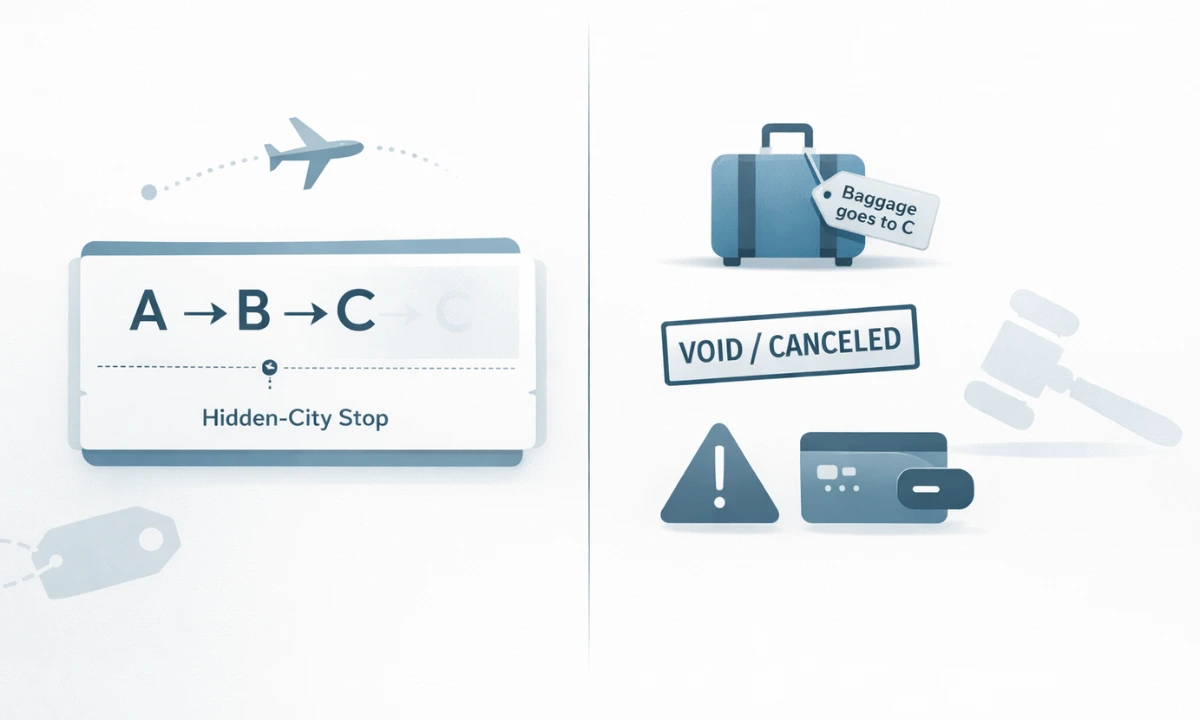
  • Are “Hidden-City” Tickets Legal -and What Can Go Wrong If You Use Them?
    Flight

    Are “Hidden-City” Tickets Legal -and What Can Go Wrong If You Use Them?

    BySSD Fly January 9, 2026

    Hidden-city ticketing is generally legal, but it violates most airlines’ terms and conditions, and using it…

    Read More Are “Hidden-City” Tickets Legal -and What Can Go Wrong If You Use Them?Continue

  • What’s the Real Difference Between a Layover and a Connection-and How Much Time Do You Really Need?
    Flight

    What’s the Real Difference Between a Layover and a Connection-and How Much Time Do You Really Need?

    BySSD Fly January 9, 2026

    A connection is usually a short stop between flights on the same ticket that’s designed to…

    Read More What’s the Real Difference Between a Layover and a Connection-and How Much Time Do You Really Need?Continue

  • Which Seat Is Actually the Safest on a Plane-and Why? The Real Answer Backed by Data
    Flight

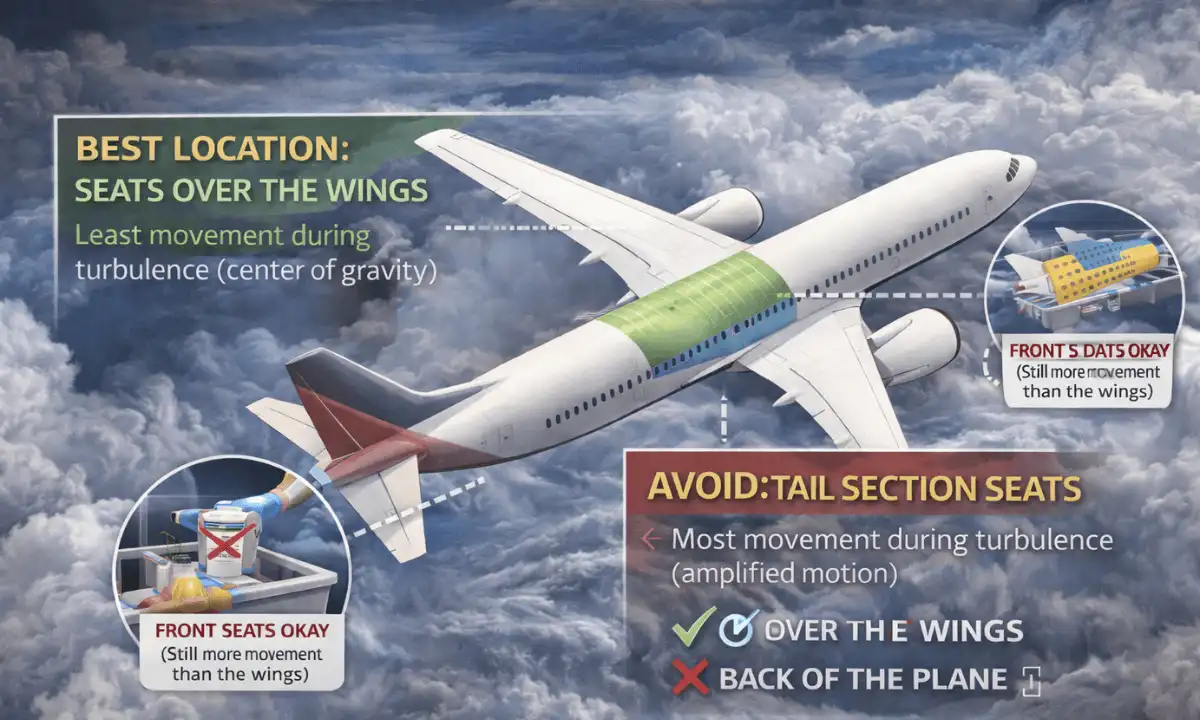
    Which Seat Is Actually the Safest on a Plane-and Why? The Real Answer Backed by Data

    BySSD Fly January 8, 2026

    Based on historical accident data, seats toward the rear of the plane, especially middle seats, have…

    Read More Which Seat Is Actually the Safest on a Plane-and Why? The Real Answer Backed by DataContinue

  • How Strict Are Airlines About Carry-On Size and Weight-By Airline? The Real-World Truth
    Flight

    How Strict Are Airlines About Carry-On Size and Weight-By Airline? The Real-World Truth

    BySSD Fly January 8, 2026

    Airlines vary widely in how strict they are about carry-on size and weight. Budget airlines enforce…

    Read More How Strict Are Airlines About Carry-On Size and Weight-By Airline? The Real-World TruthContinue

  • Can You Get a Free Stopover in a Hub City-and Which Airlines Still Allow It? (Complete Guide)
    Flight

    Can You Get a Free Stopover in a Hub City-and Which Airlines Still Allow It? (Complete Guide)

    BySSD Fly January 8, 2026

    Yes, you can still get a free or low-cost stopover in a hub city—but only with…

    Read More Can You Get a Free Stopover in a Hub City-and Which Airlines Still Allow It? (Complete Guide)Continue

  • What Do Pilots and Cabin Crew Notice That Passengers Usually Don’t?
    Flight

    What Do Pilots and Cabin Crew Notice That Passengers Usually Don’t?

    BySSD Fly January 7, 2026

    Pilots and cabin crew constantly observe subtle details about the aircraft, weather, systems, timing, and passenger…

    Read More What Do Pilots and Cabin Crew Notice That Passengers Usually Don’t?Continue

  • Is It Better to Book Directly With the Airline or Through an Online Travel Agency? (Complete Breakdown)
    Flight

    Is It Better to Book Directly with the Airline or Through an Online Travel Agency? (Complete Breakdown)

    BySSD Fly January 7, 2026

    Booking directly with the airline is usually better for flexibility, customer support, and handling delays or…

    Read More Is It Better to Book Directly with the Airline or Through an Online Travel Agency? (Complete Breakdown)Continue

Page navigation

1 2 3 … 13 Next PageNext
  • About Us
  • Affiliate Disclosure
  • Contact Us
  • Imprint
  • Privacy Policy
  • Results
  • Terms and Conditions

© 2026 SSDFly.Com